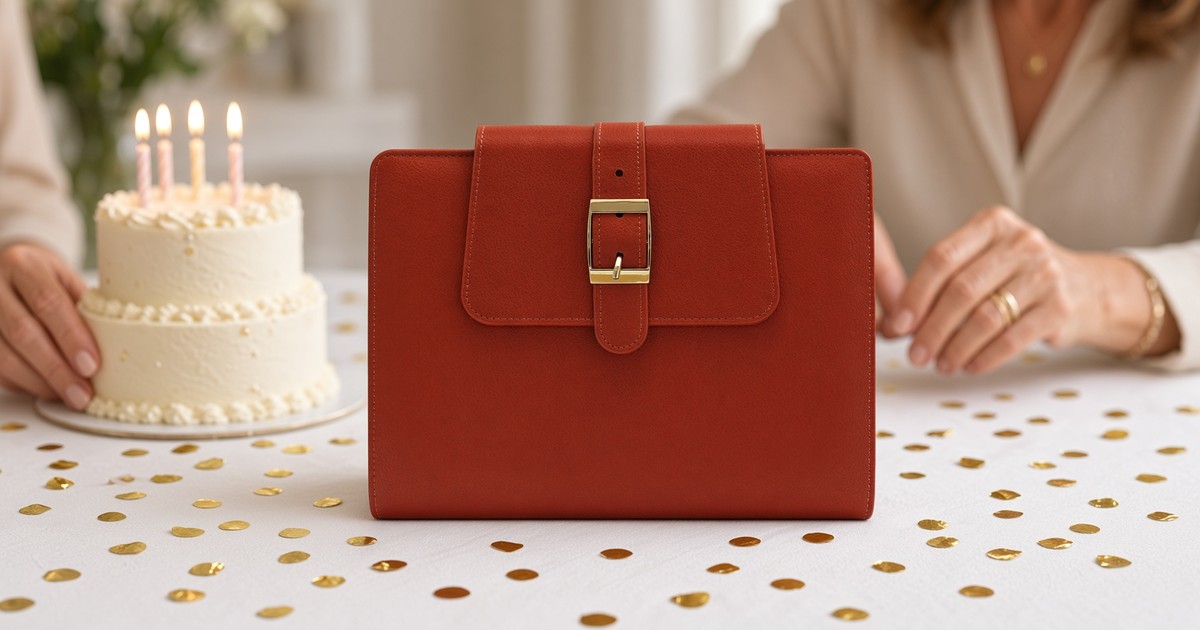
How to Write a To-Do List You Will Finish
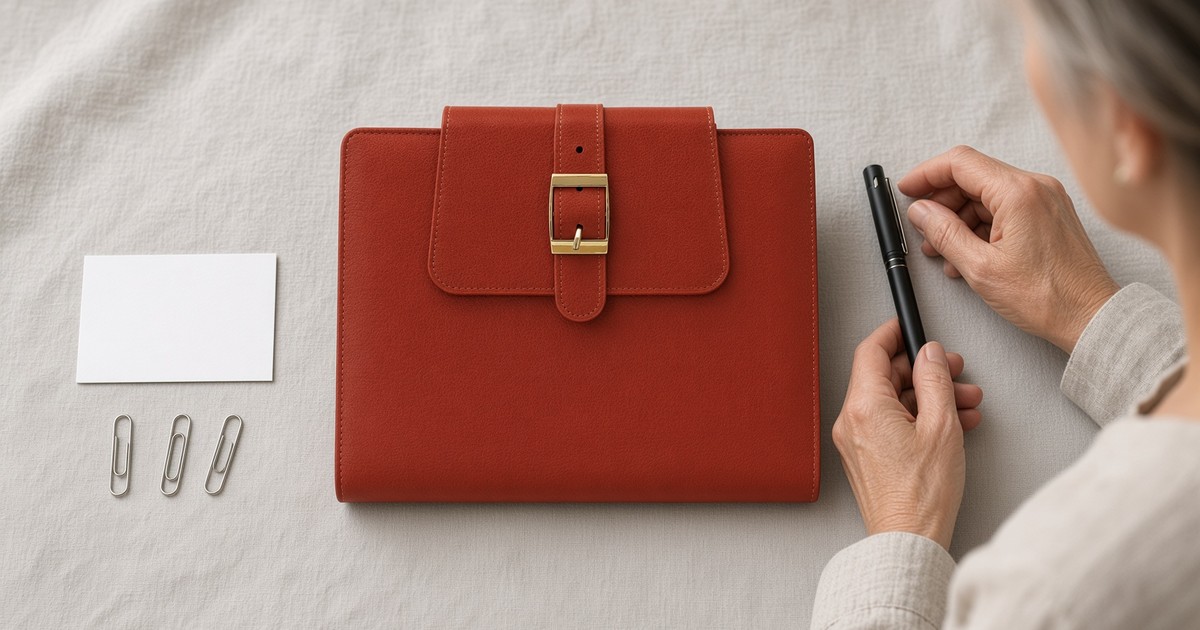
- Empty your head onto one page before you decide anything.
- Choose three must-do tasks and write them at the top.
- Turn vague items into small, clear actions you can start.
- Give tasks a time or a slot so they fit the real day.
- Close the day by moving, delegating or deleting what is left.
To write a to-do list you will finish, empty your head first, pick three must-dos, turn each task into a small action, give it a time and close the day by moving what is left. A list is only useful if it fits the day you really have.
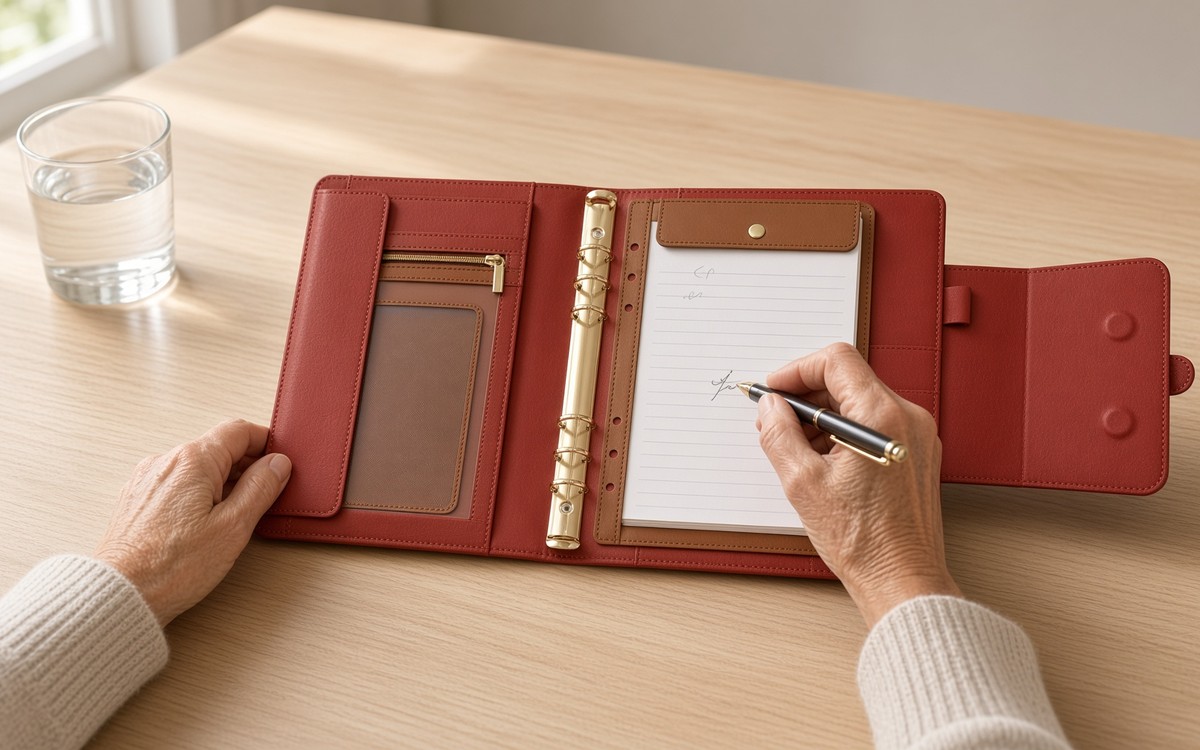
Start with a brain dump
Before you plan, write everything down: tasks, errands, worries, half-ideas. Do not sort yet. This is the step that turns a crowded mind into something you can see. For a gentle routine around it, read From Scattered Thoughts to Clear Plans.
Choose three must-dos
Look at the dump and ask: if only three things happened today, which would make it a good day? Write those at the top of the page. Everything else is a bonus. When you need help deciding, How to Prioritize When Everything Is Urgent has a simple method.

Make every item an action
Vague tasks invite procrastination. Rewrite each one so it begins with a verb and has a clear finish line: “Draft three slides,” “Call the dentist,” “Order the birthday gift.” If a task feels heavy, break it into the first small step and list only that.
Give tasks a time
A list without time is a wish list. Glance at your appointments and pencil each must-do into a slot. Short tasks can share a block, like a fifteen-minute window for calls and emails. You will quickly see whether the list fits, and you can trim it before the day starts.

Close the day kindly
In the evening, look at what is left. Move each item to a specific day, delegate it or cross it off if it no longer matters. Then tick what you finished. Ending with a clear page makes tomorrow’s list easier to write.
Keep repeat tasks separate
Things you do every week — watering plants, paying a bill, a weekly report — do not need rewriting daily. Keep them on a reusable page and copy over only what is due. See Reusable Checklists for Recurring Tasks for ideas.
Related reading
- How to Prioritize When Everything Is Urgent
- From Scattered Thoughts to Clear Plans
- Reusable Checklists for Recurring Tasks
Where to find EGOSUNNY
Confirm the latest details on the official product page for your market before you buy — sizes, materials, page counts, accessories and colors can differ by version and region. Availability varies by marketplace and season; use the listing for your region for current options.
A shorter list. A finished day.